Tain Academy
-
LocationHighlands
-
Principal ContractorKier Construction
- Structural Framing System
Project overview
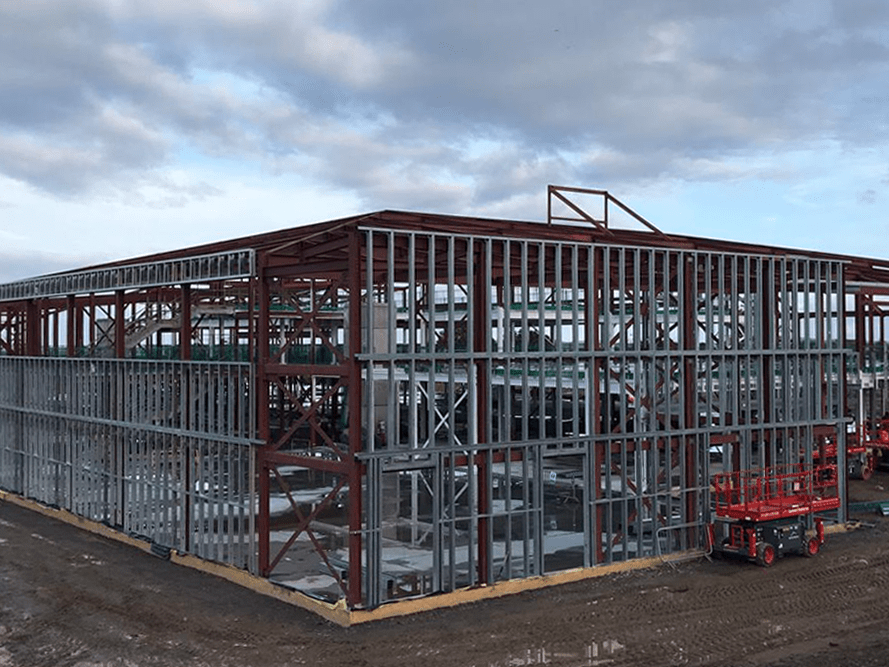
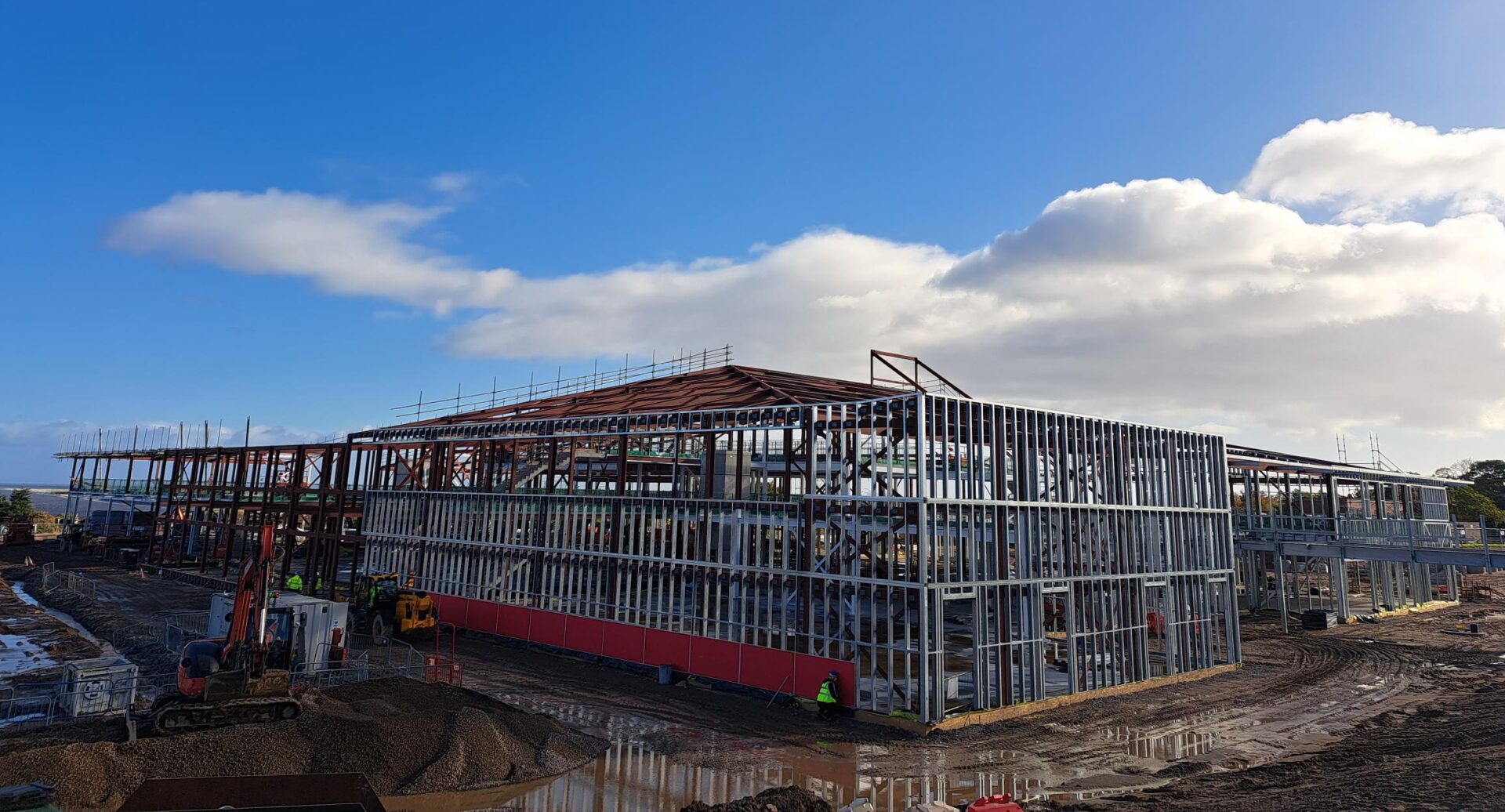
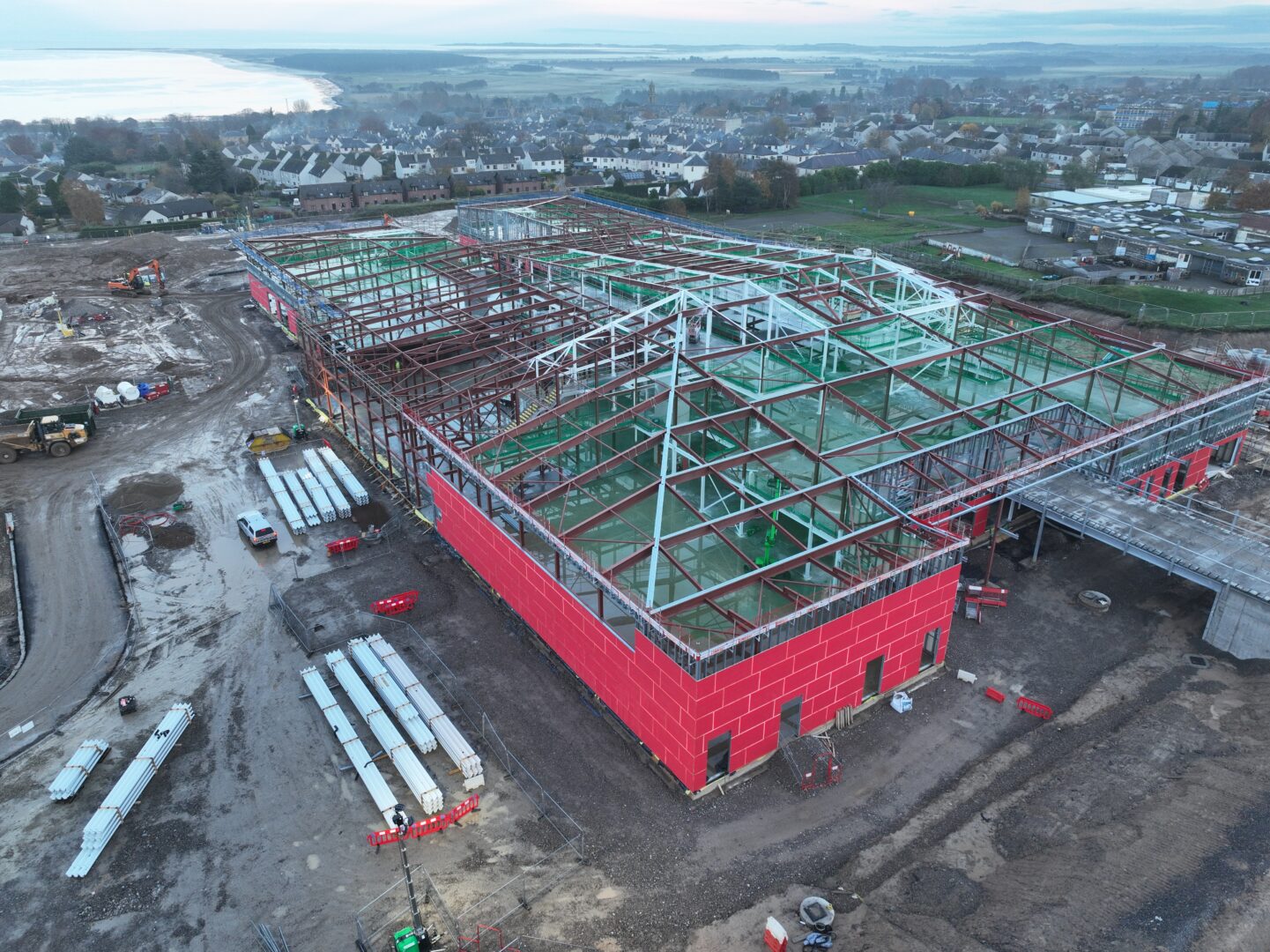
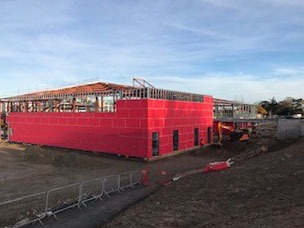
Veitchi Interiors supported the delivery of the new Tain Academy in the Highlands of Scotland, contributing to a build targeting Passivhaus standards. Working alongside Kier Construction and the wider project team, our role focused on improving installation consistency and programme certainty through a factory-led approach—reducing time on site while supporting the tight tolerances and interface detailing required for low-energy performance.
The brief
The project demanded a dependable delivery approach that could support Passivhaus-level detailing, particularly around airtightness continuity, junctions, and interfaces.
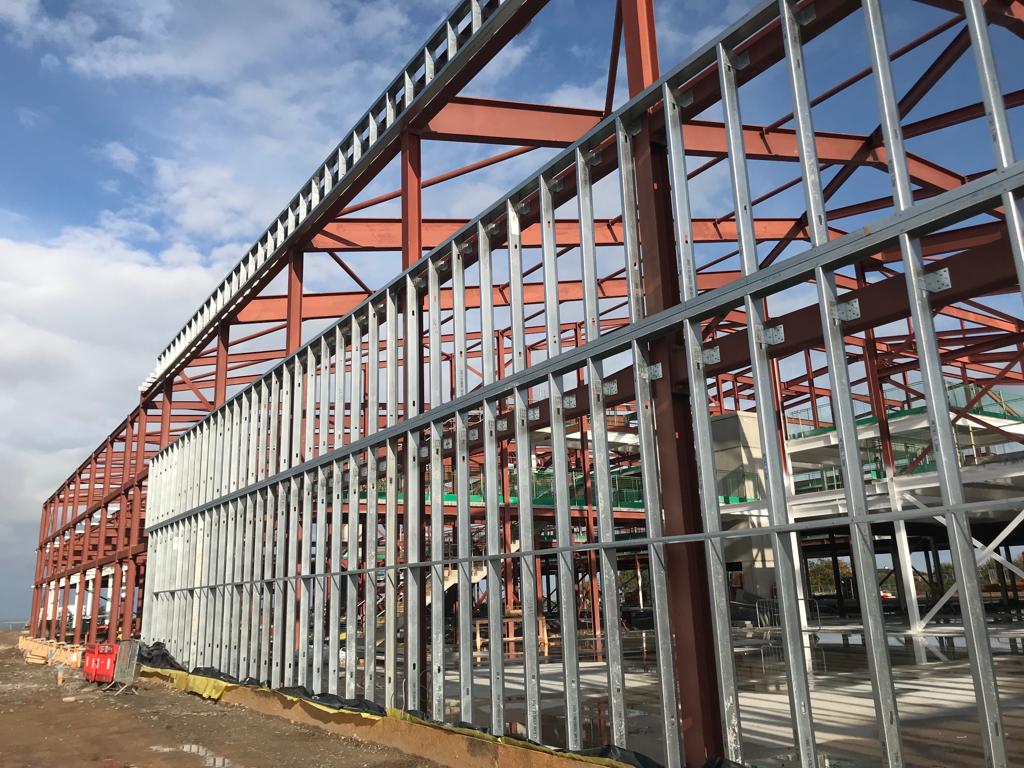
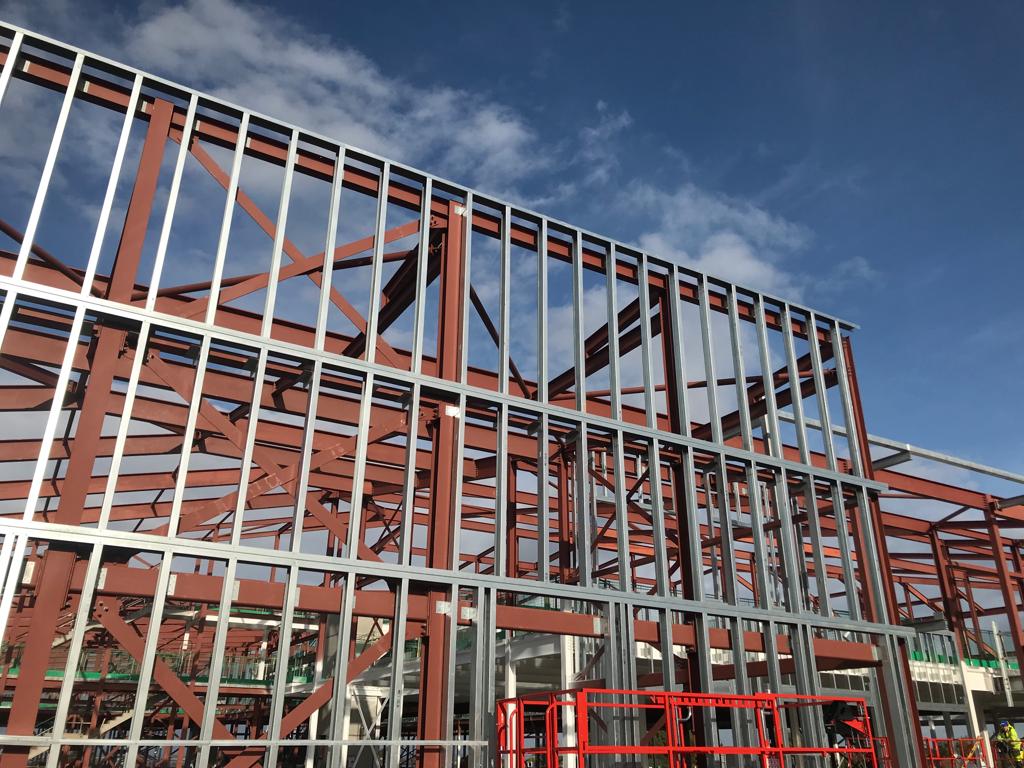
With multiple large openings across the elevations and a programme to protect, the priority was consistent quality with minimal disruption, while maintaining a workflow that supported continuous SFS installation.
The challenge
Passivhaus projects need great attention to detail, with no room for error. Membranes, boards, and junction detailing need to be applied with a high level of consistency, and repeated on-site fabrication can introduce delays and rework—especially where there are numerous openings and complex interfaces. The goal was to keep quality high and installation efficient, regardless of site conditions.
Our approach
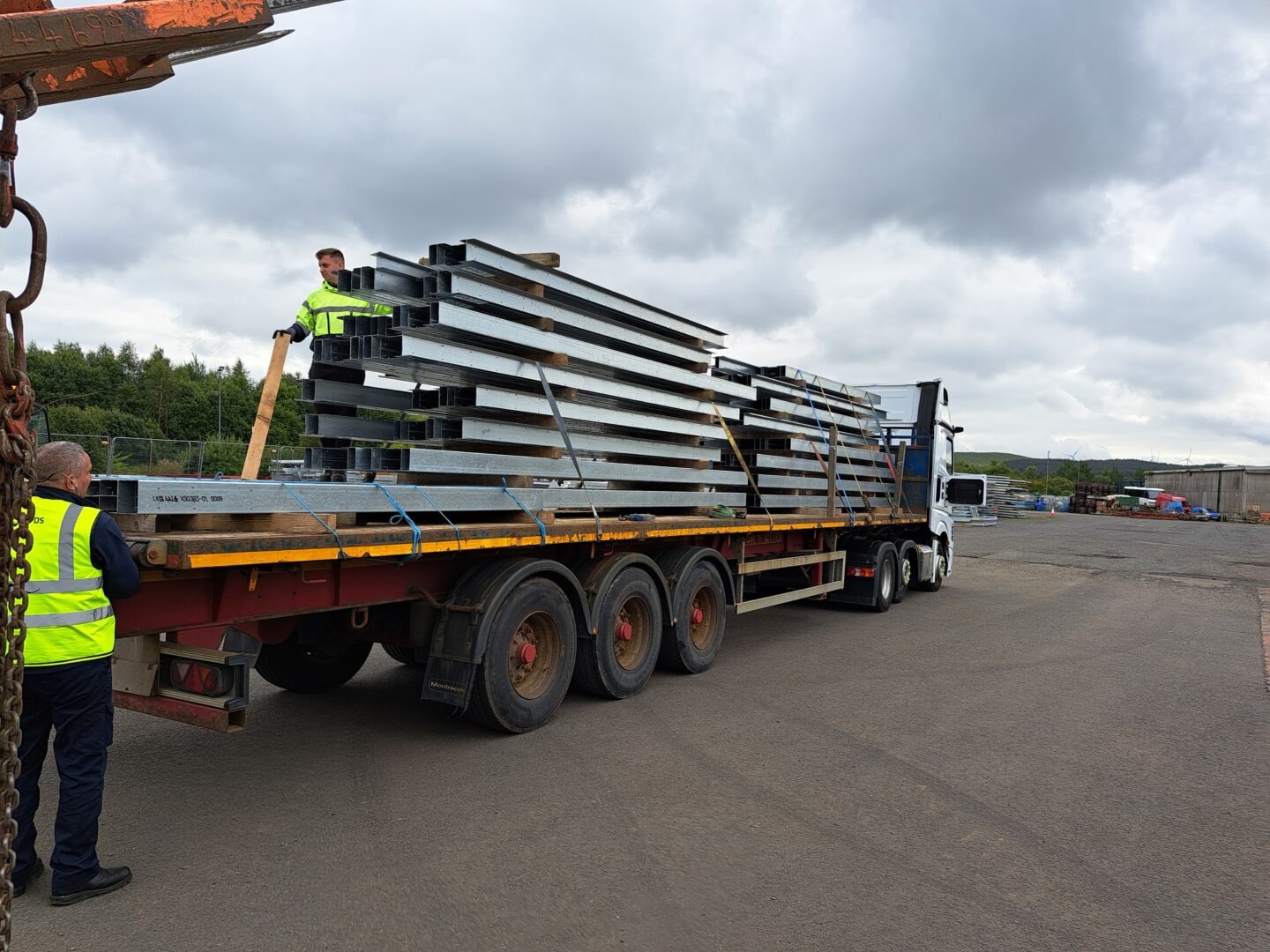
Veitchi Interiors adopted an off-site led strategy to improve quality control and reduce the number of on-site installation steps. Key components were prepared in a controlled environment to support repeatability and accuracy, helping the site team progress with greater confidence and fewer interruptions.
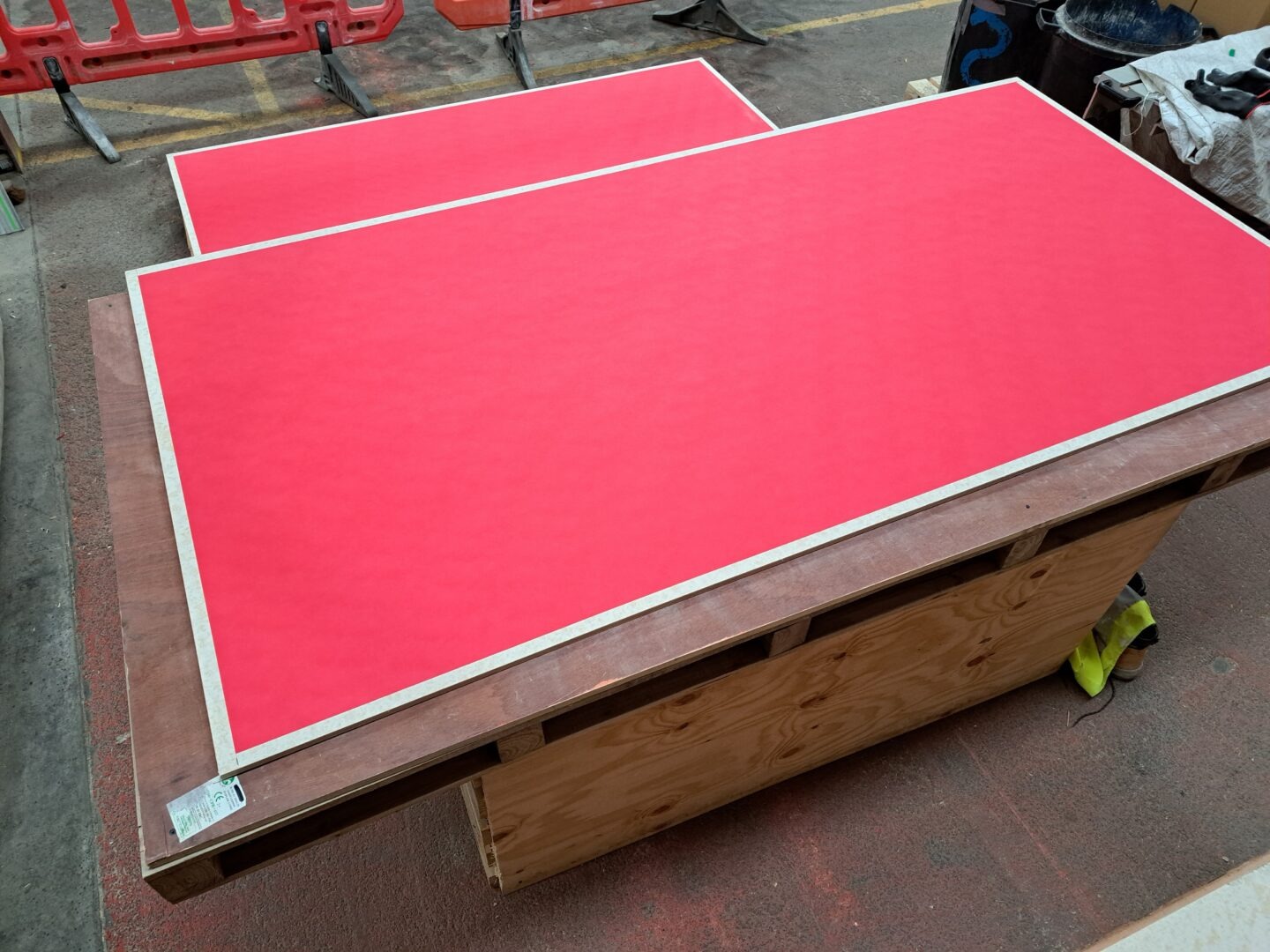
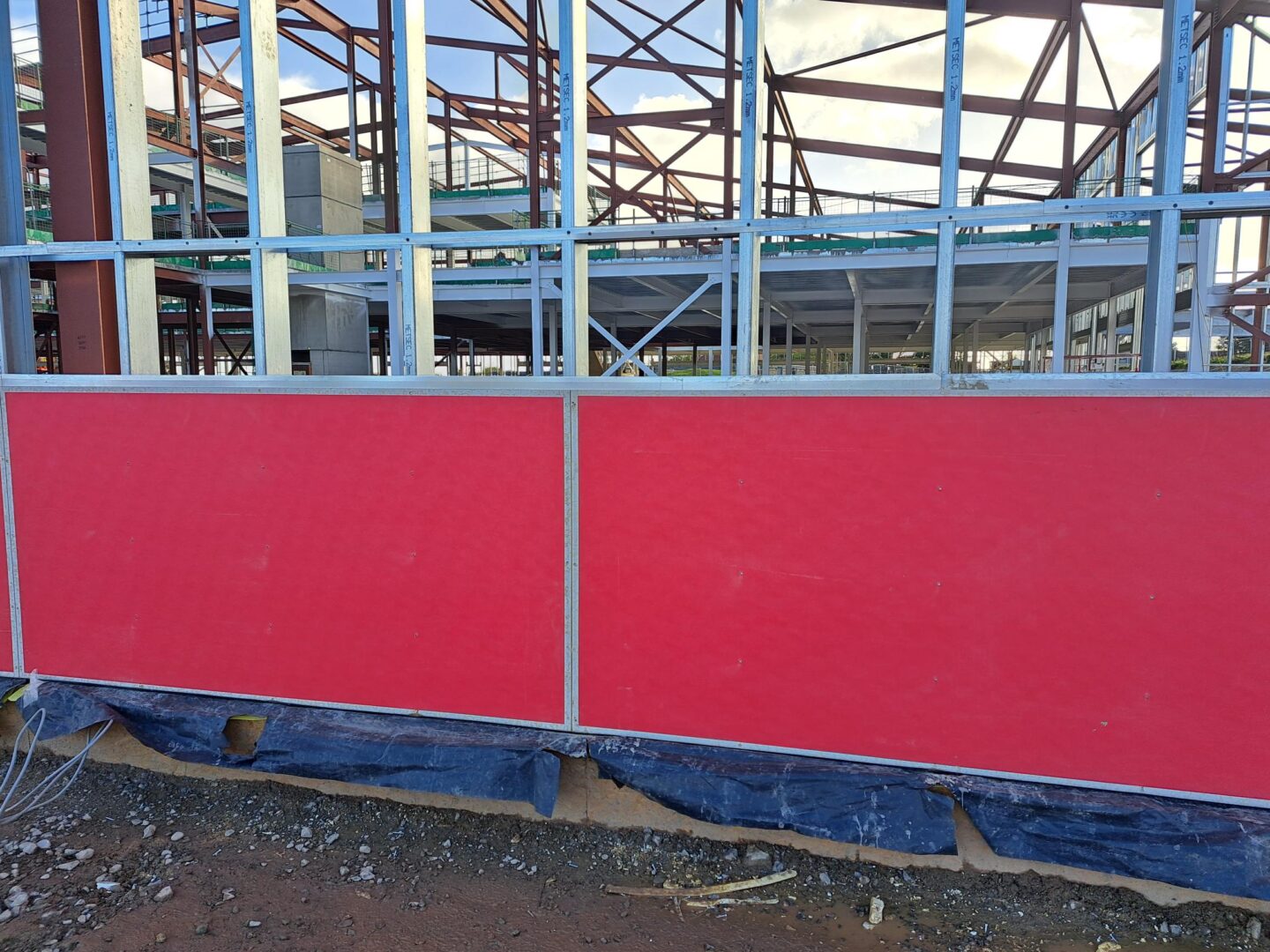
A core part of this approach involved prebonding boards with membranes off-site. By completing this process within a factory setting, we were able to deliver more consistent application and reduce the time and labour required on site. This also supported better tolerance control around junctions and openings—areas that are critical to performance-driven builds.
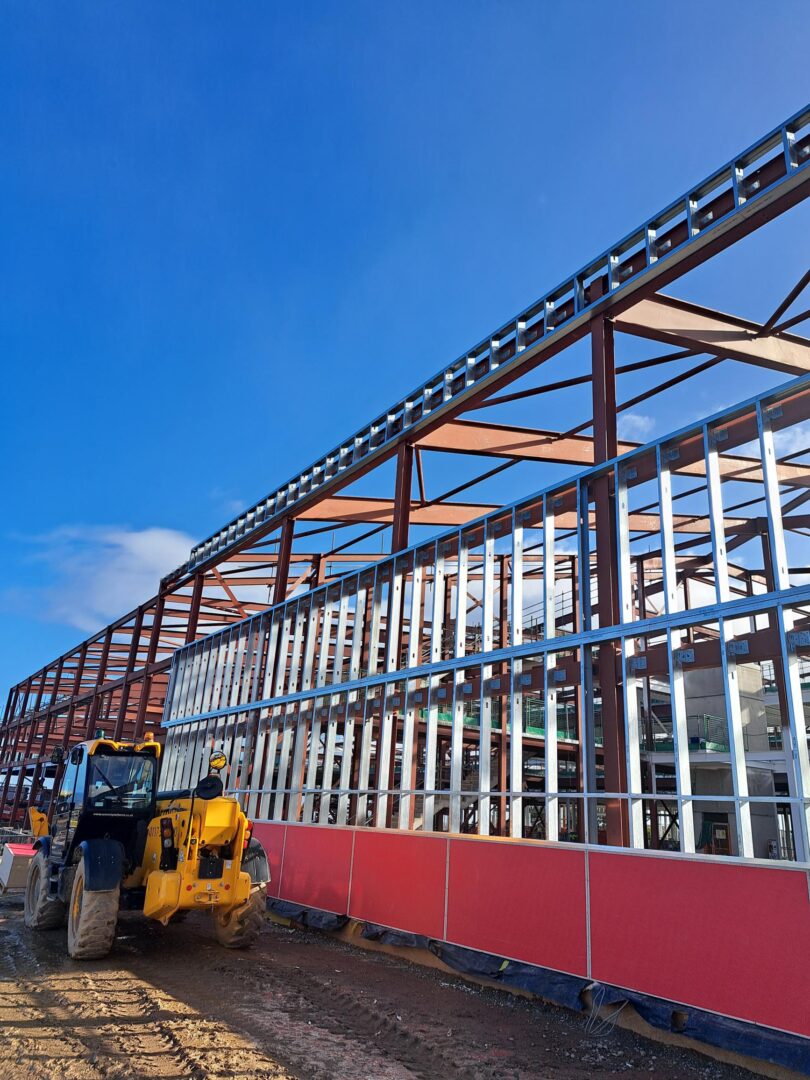
With more work completed before materials arrived on site, installation sequencing was simplified and progress across the elevations could be maintained with fewer dependencies on on-site fabrication.
Result
By combining off-site preparation with streamlined on-site installation, Veitchi Interiors supported faster progress, improved dimensional accuracy, and more consistent finishing across key interfaces. The approach helped reduce rework risk and contributed to the high-performance detailing expected of a Passivhaus-standard education facility.